The Dossin Barracks is a military barracks turned into a transit camp for the Holocaust, which later turned into a memorial museum to remember that same tragedy and all its victims. It's a museum that tries to atone for actions that have been committed to the people who were previously sent from this barrack to possibly their last stay. It does this by showing its visitors the consequences of the actions of the deportation and allowing all the 25.490 Jews and 353 Roma to be remembered. In this way, it is able to reverse the one purpose the Holocaust had, "To remove the existence and any record of the Jews from history".
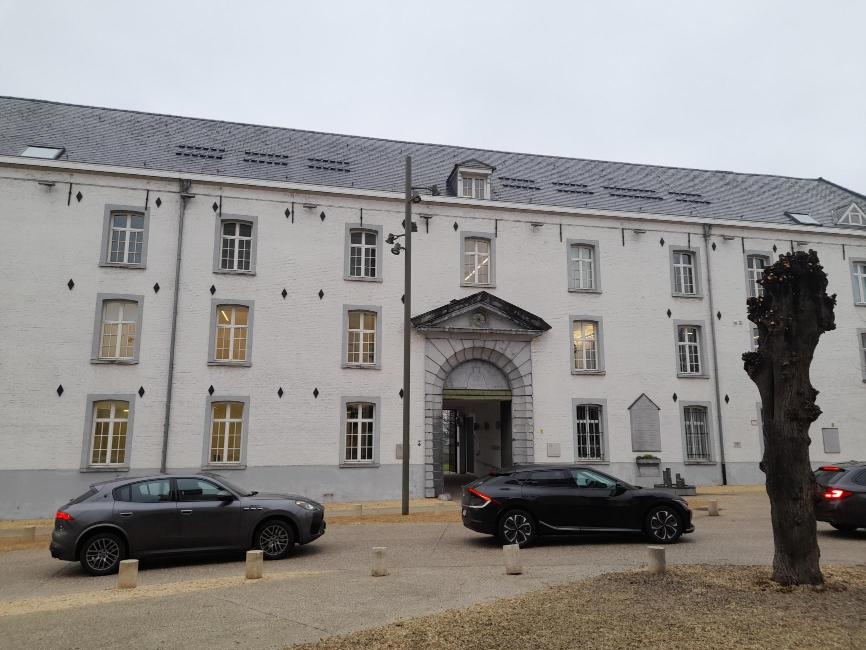
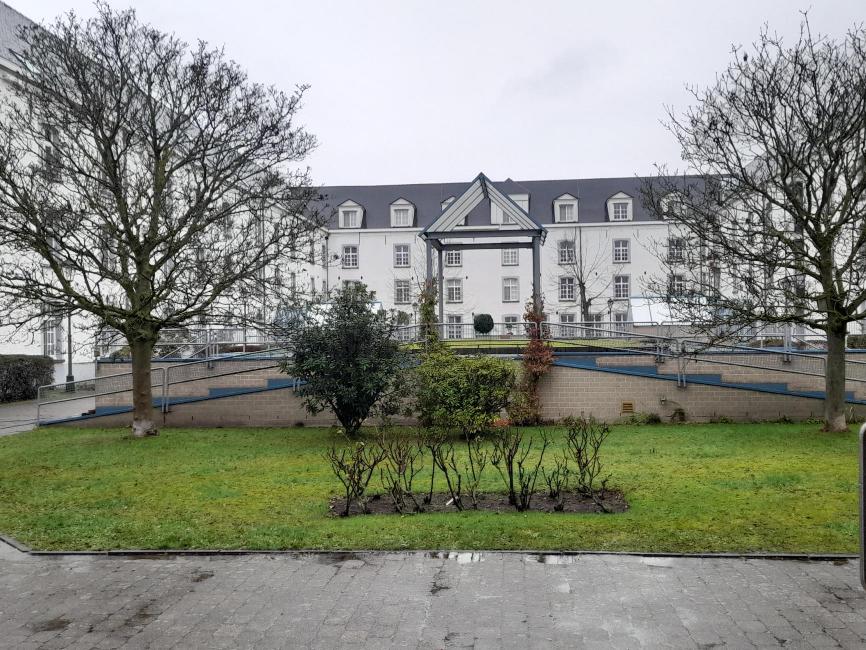
Originally, the barracks were made in 1756 to be used for it's intened purpose as barracks and got its original name "Kazerne Dossin de Saint-Georges" in 1936 after a lieutenant’s name. From 1942 to around 1944, the barracks were used as a transit camp for Jews and other minorities like Sinti, who were gathered under the cover of an employment order while in actuality they would be exported to a concentration camp like Breendonk or Auschwitz by train. After most of the war had subsided, the barracks returned to its original purpose in 1964 with the creation of a school for military administration. In 1975, the barracks got in decline after the move of the military administration. Finally, in 2012, 4th of September the barracks reopened as a museum to remember the Holocaust, which it still is to this day.
The main goal of the barracks is to make people think about topics like discrimination and genocide and to teach a next generation to prevent this from happening again. The following Dutch quote comes from the mission/ vision page of the official site from the dossin barracks: "Kazerne Dossin vertrekt vanuit het historische verhaal van Jodenvervolging en de Holocaust in relatie tot de Belgische casus, om te reflecteren over hedendaagse fenomenen van racisme en uitsluiting van bevolkingsgroepen en over discriminatie omwille van afkomst, geloof, overtuiging, huidskleur, geslacht, geaardheid." (Kazerne dossin,2026)